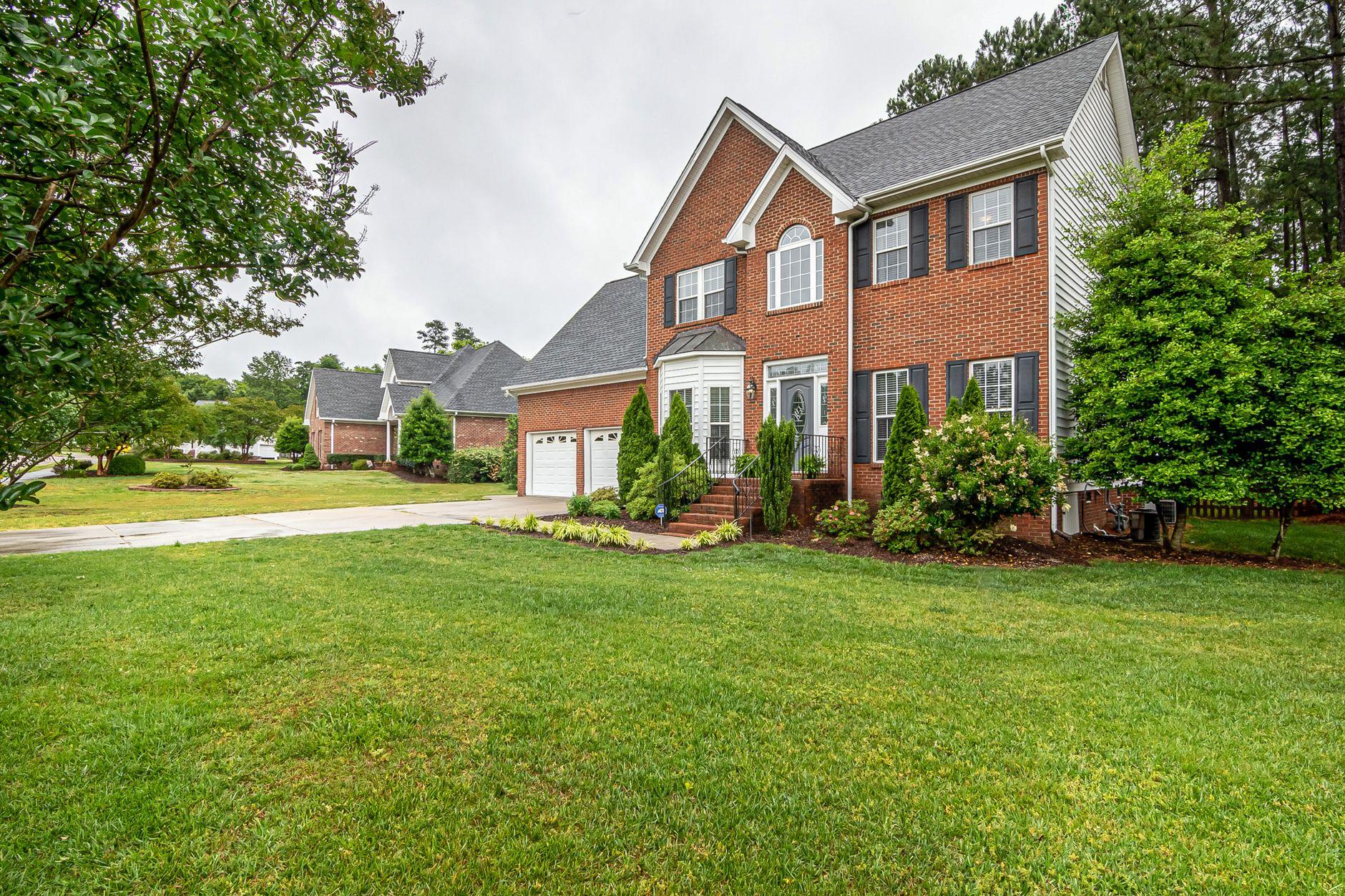
Moving a family into a house in Orange means a long list: locks, outlets, pool gates, smoke alarms. The fireplace tends to sit near the bottom of that list until the first cold night. We think it belongs much higher, and so does the national fire standard. Here is why the deeper inspection is the right one before a household moves in, what California expects in the home, and what the visit costs.
Why the standard asks for more at a sale
The fire code most chimney work follows, NFPA 211, splits inspections by depth. The lightest one is a look at whatever is in reach. The middle one, Level 2, adds video of the inside of every flue, a check of the attic and the roof, and a closer look at how the fireplace connects to everything around it. The heaviest means opening walls and is rare.
When a house changes hands, the standard points to the middle level. The reason is simple once you think about it as a parent. You cannot ask the last owners how many fires they burned, whether a fire ever got into the flue, or whether that stain in the attic is old. The camera answers what nobody else can.
What the general home inspection leaves out
A home inspector works through the whole house in one visit. Their report usually says something about the fireplace, often a line suggesting a chimney specialist. They rarely climb onto a tile roof, and they do not run a camera through the flue. That is not a criticism; it is simply outside the job.
So a buyer's file often has a gap exactly where a fire risk sits: inside the chimney, behind the walls of the firebox and in the attic where wood framing passes close to hot masonry.
What we add for a household
Our Level 2 report reads the way a parent would want it to. Beside the usual flue and roof findings, we look at:
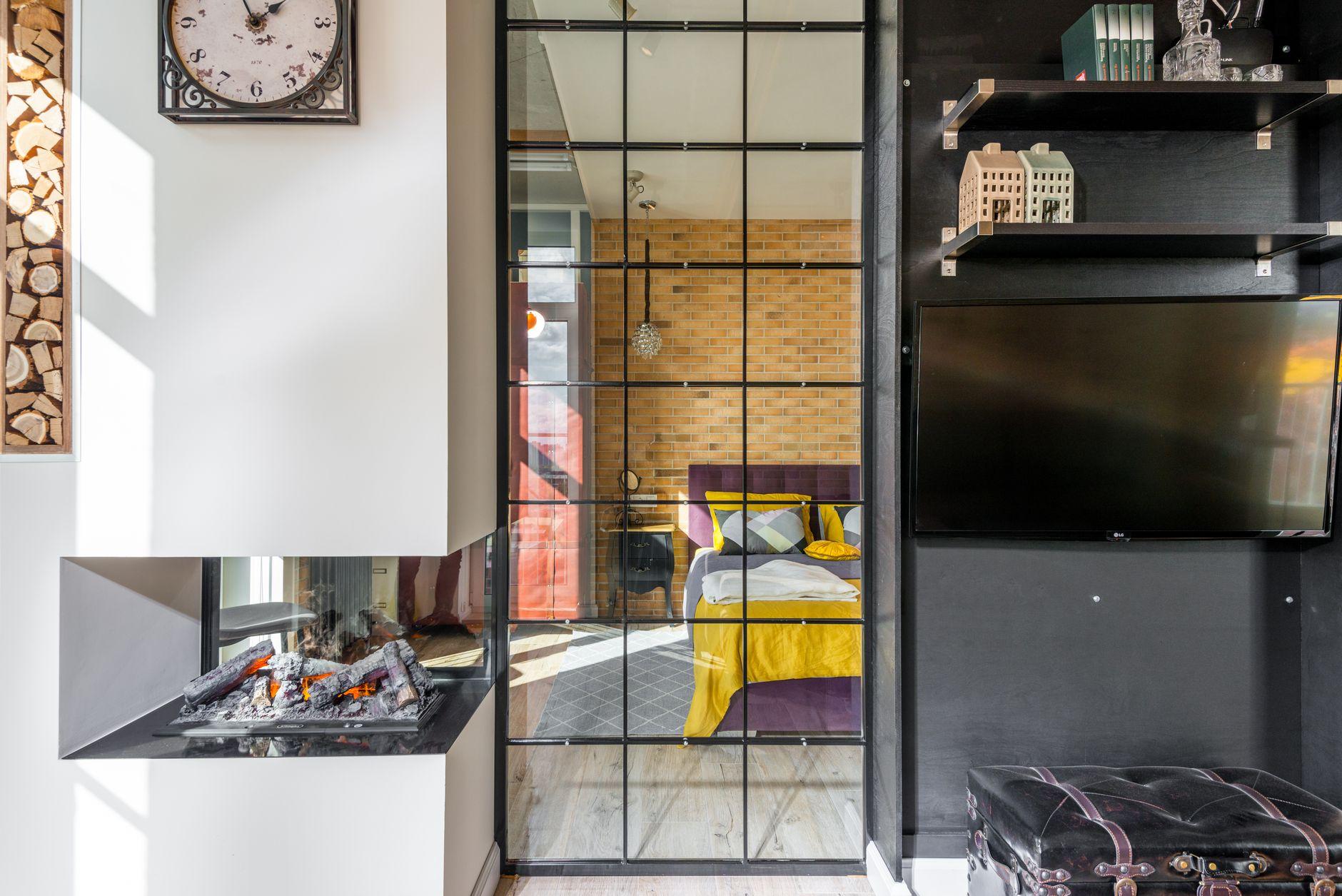
- The glass on gas units, whether a barrier is fitted and how hot it runs.
- The gas key or switch, where it is and whether a child could reach it.
- The hearth, its height, its corners and whether it is deep enough to catch a rolling ember.
- Screens and doors, whether they close and latch.
- Alarms, which floors have a carbon monoxide alarm and smoke alarm, and whether they sound.
What California expects in the home
California law calls for carbon monoxide alarms in homes that have any fuel-burning appliance, a fireplace or an attached garage. In practice that means an alarm outside each sleeping area and on every level. Sellers usually certify this on the disclosure forms, but a disclosure is not a working alarm. We test what we find and write down what is missing.
Orange is also inside the South Coast air district, which can call no-burn days for wood fires in the cooler months. If you plan to rely on a wood fireplace for heat, know that some winter evenings it will have to stay cold. Gas units are not affected.
When to book
Book the camera inspection while you can still act on it. In practice that means during the inspection period of the purchase, at the same time as the other inspections, not once they are done. If something turns up, your agent can ask for a repair or a credit with our photos and figures in hand.
If you have already closed, book before the first fire. The same inspection protects a family whether it happens in escrow or in the first week of ownership.
What the inspection costs
The prices are fixed for one chimney:
- Camera inspection of the full chimney before move-in: $380
- A visual check of the reachable parts only: $160
A second fireplace or flue in the same house adds to the total, and we tell you that number before we book. Repairs we find get a separate written figure for each item.
Book a move-in camera inspection and tell us the date your inspection period ends.
Older houses get a closer look
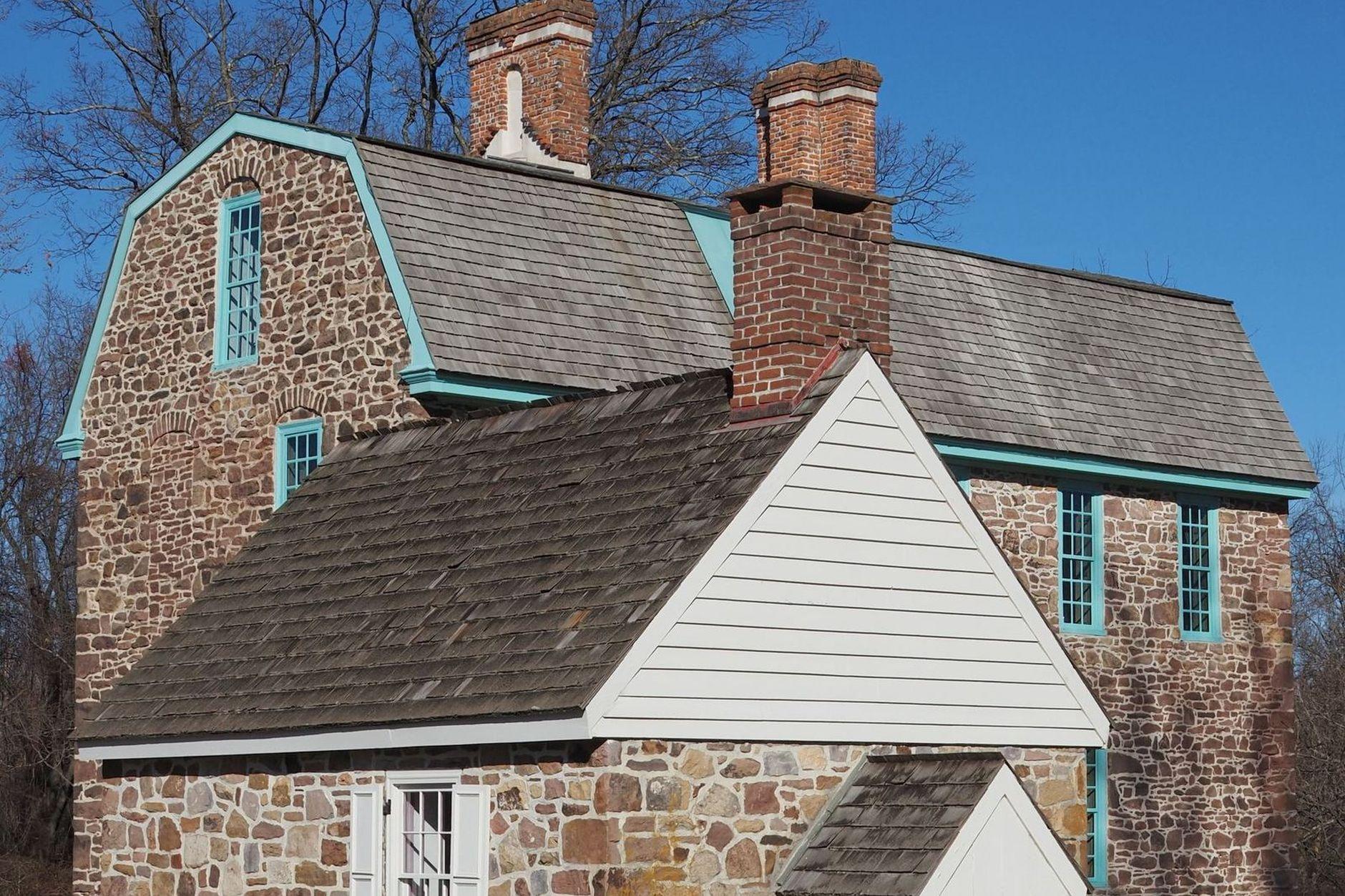
Many of the houses that sell in the older neighborhoods of Orange were built long before anyone thought about toddlers and fireplaces in the same sentence. Their chimneys often have clay tile flues, fireboxes laid in old mortar and dampers that have rusted in place. Some had a gas line added to a wood fireplace decades later, with a key set into the floor. Others were patched after the 1987 Whittier Narrows shaking or the 1994 quake, and the patch is visible only from the roof or on camera.
None of that means the fireplace is unsafe. It means the outside of the chimney tells you very little, and a family deserves to know what is inside the flue before the first fire of the season.
What happens after the report
Reports list findings in order of risk to the people living there, not in the order we walked the house. Each item says one of three things: use as is, keep an eye on it, or fix before lighting. For a buyer, that list is the basis for a request. For a family that already owns the house, it is a to-do list with priorities set.
We do not push repairs. Many reports come back with nothing more than a sweep and a new alarm on the list.
Pages that go with this one
Our home sale inspection page explains who receives the report in a purchase, and the buyer's agent page is the one to pass to your agent. If the house has a gas fireplace that already acts up, hiring a gas fireplace technician explains the repair visit. The Level 2 inspection page covers the camera work itself, and our Orange service page lists what we do in town.
Before the moving boxes arrive, send us the address and the inspection deadline through the contact page and we will arrange the visit.
Want Someone to Look at Yours?
Prentice Chimney Works works from Orange and looks at fireplaces through the eyes of the people around them: children, pets and older relatives. You get a written list of risks with photos, and a price for each fix before anything starts.