Young families in Orange often inherit an open wood fireplace with the house. It looks lovely, it fills the room with smell and crackle, and then a toddler starts walking. That is when many parents start pricing a sealed gas unit. Here is an honest comparison from a household point of view, with our published price for a gas insert and the factors that move it.
The short comparison
| Point | Open wood fire | Sealed gas insert |
|---|---|---|
| Open flame in the room | Yes | No, behind glass |
| Sparks and embers | Can jump without a screen | None |
| Smoke and soot in the room | Some, especially at lighting | Very little when working well |
| Hot surfaces | Screen, doors, hearth, surround | Mainly the glass, cooler with a barrier |
| Sweeping | Every season of regular use | Yearly service instead |
| No-burn days | Wood burning restricted | Gas units allowed |
| Who can light it | An adult with matches and kindling | A switch or remote, which can be locked or hidden |
| Price to install | Nothing; it is already there | $2,700 to $5,450 |
Where an open fire still makes sense
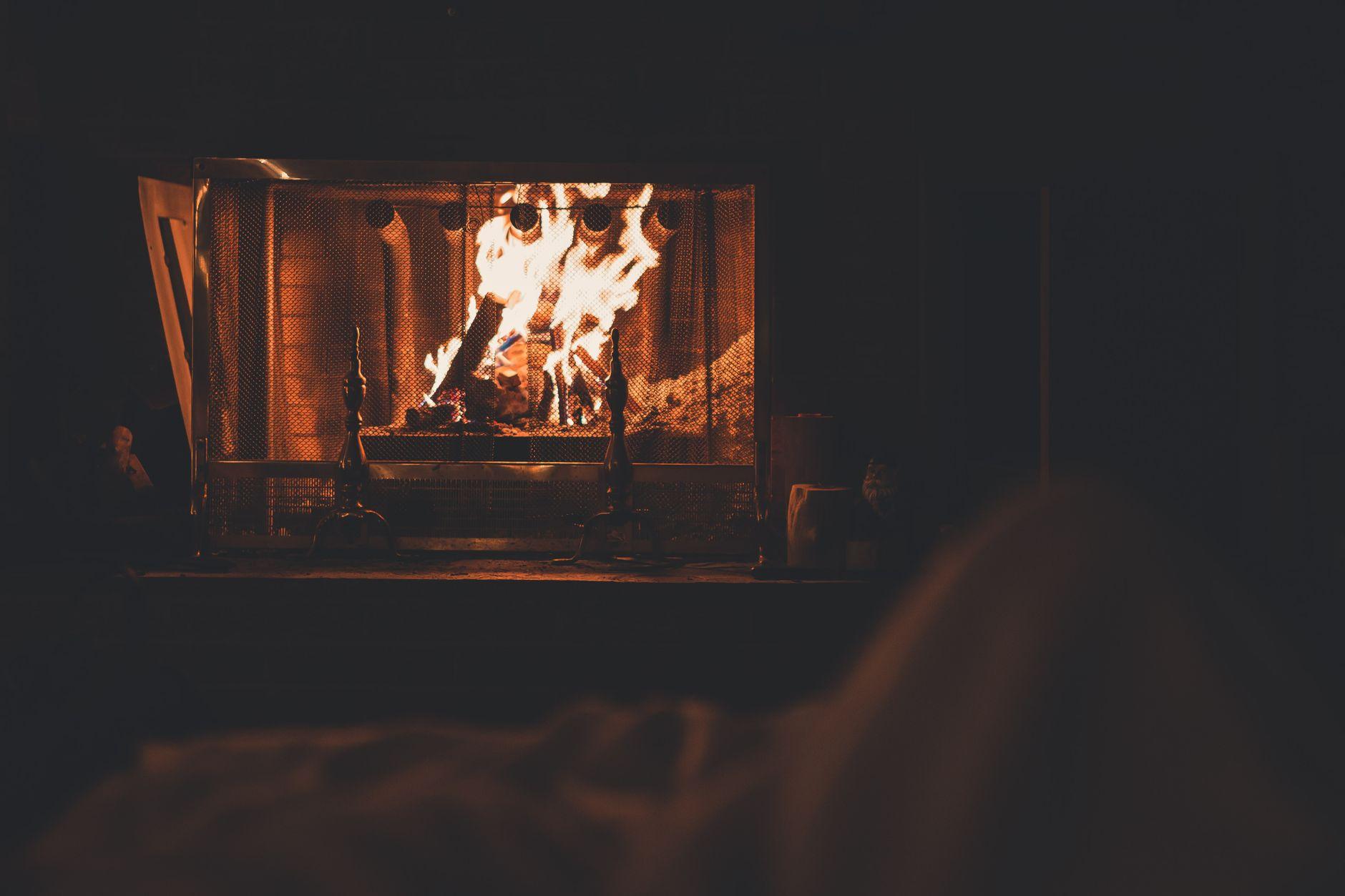
An open fireplace is not dangerous in itself. Plenty of families use one safely for years. It suits a household that:
- lights it a handful of times a year, with an adult in the room the whole time;
- has a heavy screen or glass doors and a gate for the hearth;
- keeps the flue swept and inspected;
- has carbon monoxide alarms on every sleeping floor.
If that describes your home, the fireplace may only need a sweep, a screen in good order and a check of the firebox. Our inspection price guide covers those visits.
Where a gas insert pays off
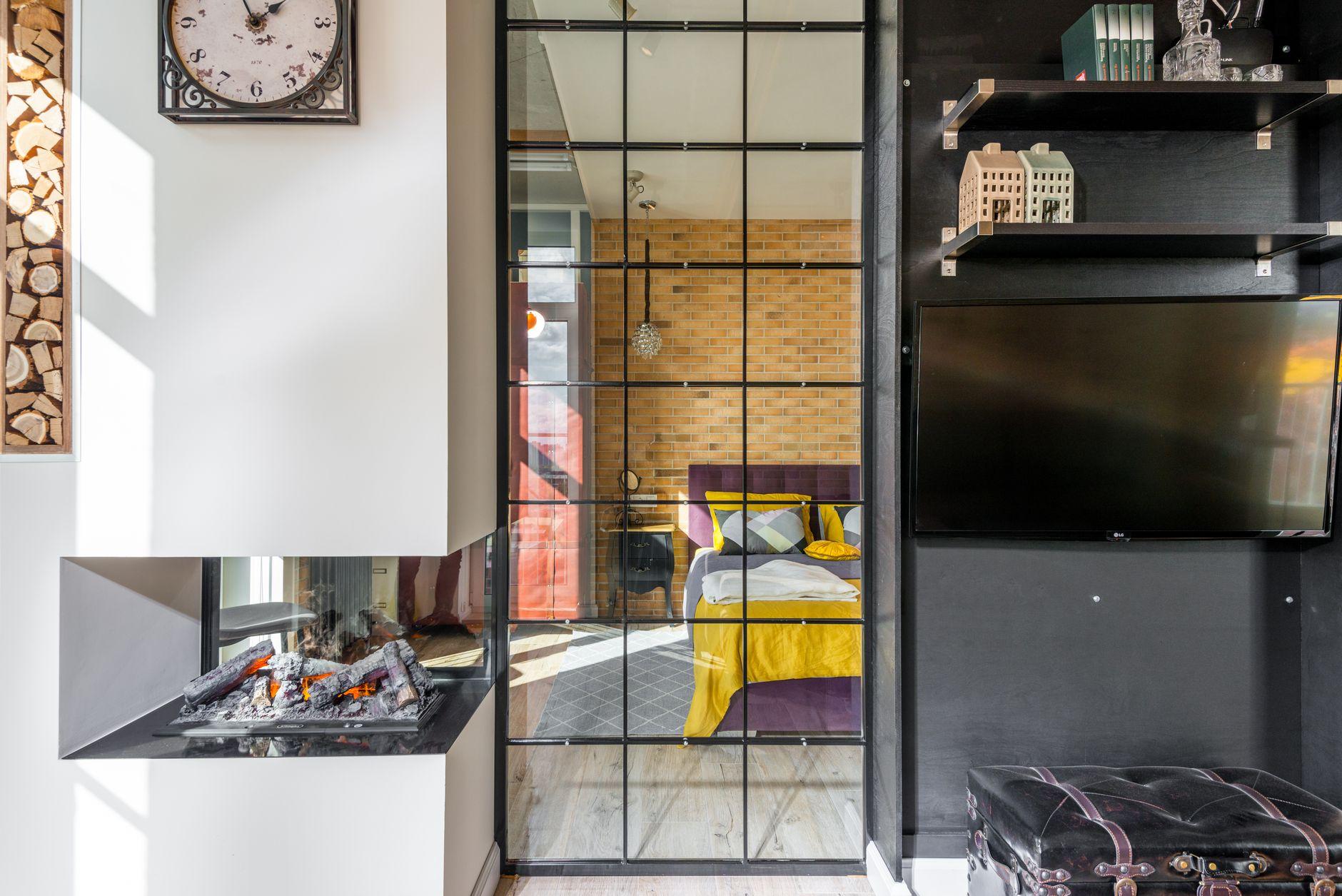
A gas insert is a sealed metal box that slides into the existing opening, with its own glass front and its own vent pipe running up the old chimney to the roof. From a safety angle, the benefits are plain:
- No loose flame or embers. Nothing pops onto the rug or into a curious hand.
- The air in the room stays separate. A sealed unit takes the air it burns from outdoors and sends exhaust out, so the fire does not pull on the house.
- Control. A wall switch or remote can be put out of reach, and many remotes have a child lock.
- Burn days. Orange sits inside the South Coast air district, which restricts wood burning on some winter days. Gas fireplaces are not covered by those wood-burning bans.
- Less upkeep. No ash to carry out, no creosote to sweep.
The trade is the glass. It gets hot, and it needs a mesh barrier in front of it in any house with small children. We fit inserts with a barrier wherever the model offers one.
What moves the price of a gas insert
Our published range for a gas insert, fitted, is $2,700 to $5,450. Where your home lands depends on:
- The opening. Its width, height and depth decide which models fit and whether the firebox needs any work first.
- The chimney height. The vent runs the full height of the flue; a tall two-storey stack takes more pipe.
- The gas supply. A fireplace that already has a gas line nearby is simpler than one that needs a new run.
- The model. Plain units with a basic surround cost less than large units with fans, wall thermostats and decorative fronts.
- The condition of the chimney. If the camera finds damage at the top, it gets fixed first so the new vent has a sound place to end.
Every insert starts with a camera look at the chimney and a measure of the opening. After that you get a written figure for the model you choose.
Ask for an insert measuring visit and a written figure, and tell us roughly how old the house is.
What about a pure gas log set?
A log set sits in the open fireplace with the damper held open, and the fire looks real. It is cheaper than an insert, but it is not sealed: the opening stays open, the flames are exposed and the room air feeds the fire. In a home with toddlers, a log set needs the same screen and gate as a wood fire. Our gas log page covers that option.
The safety items that come with every insert
Whatever unit you choose, we finish the job the same way:
- a leak test at every gas fitting;
- a lighting test and a carbon monoxide reading with the unit running;
- a mesh barrier fitted where the model allows;
- the switch or remote placed where you agree;
- a walk through the controls with whoever runs the house, including how to turn the gas off.
If the house has no carbon monoxide alarm near the bedrooms, we say so before we leave.
Grandparents and pets count too
Children are not the only reason families switch. An older parent who lives with you may find kindling, matches and a heavy screen hard to manage, and may be more sensitive to smoke. A switch-on gas fire takes those chores away. Dogs and cats tend to lie as close to warmth as they can; a sealed unit with a barrier keeps fur and whiskers clear of open flame, and there is no ember to land on a sleeping pet.
Choosing
If your fire is a weekend treat and an adult always watches, keep it and make it safe. If you want warmth on a weekday evening with a toddler in pajamas on the rug, a sealed gas unit is the calmer choice. Our fireplace insert page has more on the work, and mesh screen or glass doors helps if you decide to keep the open fire.
To get the opening measured and a figure on paper, go to our contact page and tell us what heats the house now.
Want Someone to Look at Yours?
Prentice Chimney Works works from Orange and looks at fireplaces through the eyes of the people around them: children, pets and older relatives. You get a written list of risks with photos, and a price for each fix before anything starts.